
The amount of mustard available to us nowadays is highlighted by the array of types of mustard I found at the back of my cupboard during a recent clear-out. Even then, plenty of mustard products can be found on supermarket shelves, let alone in dedicated food shops. So, let’s look at the 5 common types of mustards.
What Is Mustard, And Where Does It Come From?
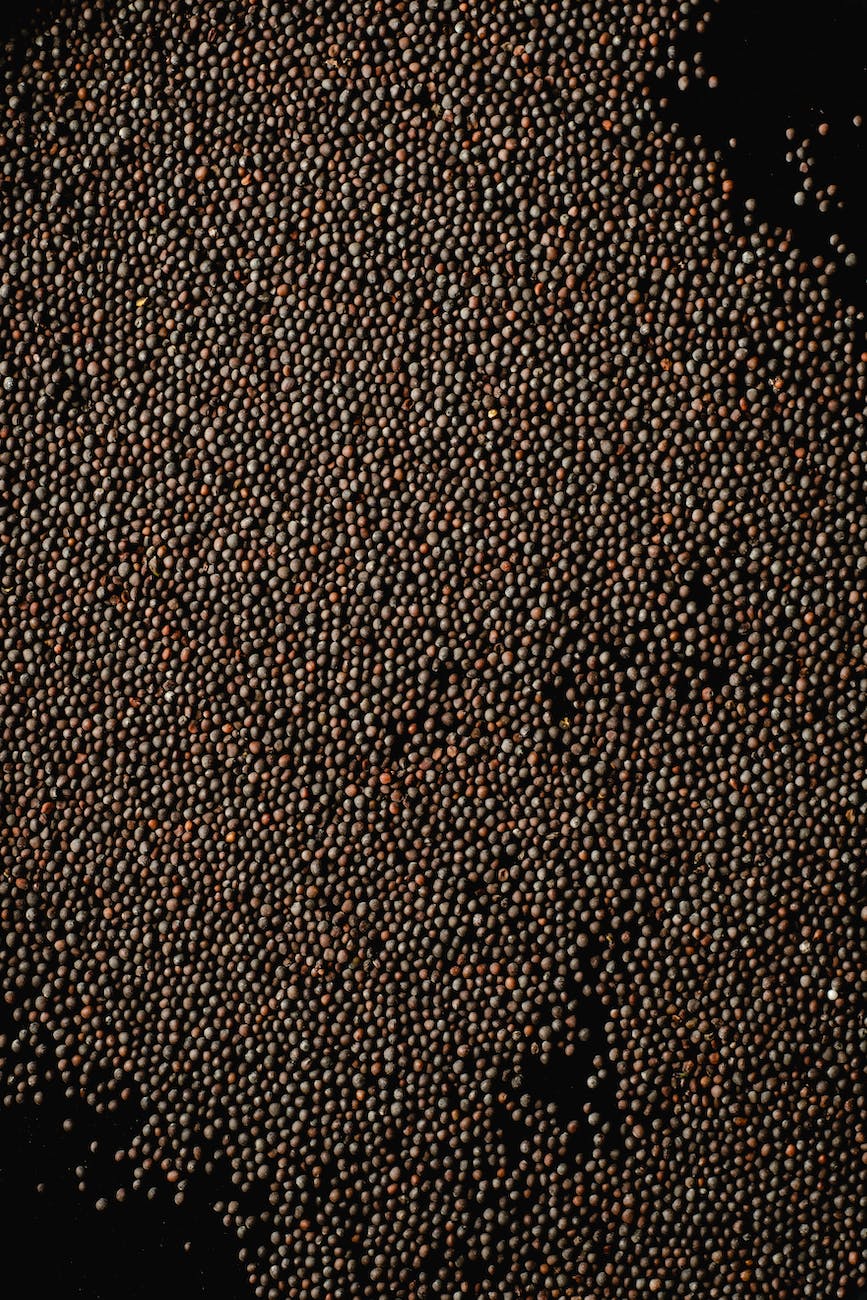
Mustard seeds are the seeds of the mustard plant. These seeds make the popular but varied condiments found throughout Europe and the world. Roman chefs made a paste with ground mustard seeds mixed with grape juice called “mustum Ardens.” That’s all most mustard condiments are: ground mustard seeds and liquid.
There are three common types of mustard with differing levels of pungency, a word often used to describe the spicy kick from foods such as mustard and garlic.
- Black Mustard Seeds are the most pungent mustard seeds.
- Brown Mustard Seeds are often called Indian Mustard seeds.
- White mustard seeds are the mildest and are usually sold as yellow mustard seeds.
How Are Mustard Condiments Made?
Mustard combines seeds soaked in liquid and then ground into a paste. However, the juice and the mustard seeds used separate the types of mustard. The heat level depends on the type of seeds used with the pungency levels described above. However, the heat is drawn out by activating the natural enzymes responsible for this potency in water.
The liquid used to make mustard varies according to recipe, tradition, and mustard types. However, some common liquids used to make mustards include water, vinegar, beer, wine, lemon, and other fruit juices.
Did you know making mustard at home is possible and super easy?
Wholegrain mustard can be made in minutes and left to infuse overnight. Of course, my homemade wholegrain mustard uses English ale. Less acidity in a liquid will result in a more pungent mustard. If you like your mustard hot, use pure water. However, use acidic ingredients like vinegar and lemon juice to keep your mustard longer.
What Types of Mustard Condiments Are Available?
Dijon Mustard
Dijon mustard originated in the French city of Dijon. The recipe for Dijon mustard was first produced by Jean Naigeon. In his recipe, Naigeon used brown mustard seeds mixed with Verjuice. Verjuice is an acidic juice extracted from unripe grapes. The Roman chefs used the same type of juice mentioned earlier. Verjuice is less acidic than the commonly used kinds of vinegar, resulting in Dijon Mustard’s characteristically intense heat.
Yellow Mustard
This mustard may sometimes be labelled American Mustard in the UK. It’s the quintessential mustard used for hot dogs. Its vibrant yellow colour comes from white mustard seeds and turmeric. American yellow mustard has a mild spiciness since it uses yellow mustard seeds and vinegar.
Wholegrain Mustard
Sometimes called Granary mustard, wholegrain mustard contains no whole grains. Its name comes from its course texture, which leaves the seeds visible, resulting in a “wholegrain” appearance. It’s made from various liquids, and its heat level varies from recipe to recipe. It’s often made with a combination of different mustard seeds, including yellow and brown.
English Mustard
English mustard is available in spreadable paste and powder forms. It’s extremely hot and is often sold by Colman’s of Norwich, which has become synonymous with English mustard. If you like your English mustard hotter, try using the powder version, which can be made with cold water to unleash an unrelenting heat with your next steak meal.
While we’re talking about Colman’s of Norwich, it’s worth noting that they invented brown mustard, commonly known as French mustard. However, they stopped producing it after the EU prohibited using the term French since it had no relation to France. However, UK supermarkets still offer “French” mustard.
German Mustard
Germany and the surrounding area are synonymous with mustard in its culinary traditions. However, their mustards are little known outside of the region. One reason for this might be the sheer number of varieties of German mustard. The most common type of mustard is known as “Mittel Scharf” and has a medium heat. It’s made with yellow and brown mustard seeds.
Honourable Mentions for Types of Mustard
Honey & Mustard
While researching this article, I found lists on the internet that include honey mustard. However, I considered this a dressing or dip more than a condiment or relevant type of mustard. It can be made by mixing your favourite mustard condiment with the same amount of honey. The result is a sweet and spicy sauce.
Beer (& Spirit Mustard) – These mustards aren’t different types but different preparation varieties. Often found stateside, they can be made with different beers or spirits, such as American bourbon. As alcohol is less acidic than vinegar, the result is a hot mustard.
Leave a ReplyCancel reply