
Hi, I’m the running chef, but I used to call this blog Salt to Taste. Yet, while the name and the niche may have changed, the philosophy remains the same. Put simply, that means everything according to preference. Of course, I want you to read this post, but that’s all that phrase means when you see it on a recipe card. It means add enough salt to satisfy your taste.
What is Salt?
Salt, like the water from which we obtain it, surrounds us. Numerous types line supermarket shelves, with names that suggest their origin, such as sea salt and rock salt. But what is it?
Salt is the common name for the mineral sodium chloride. It’s one of the basic human tastes that allows us to dissect flavours and understand the foods we eat. Cooks also used salt to brine and pickle foods to improve flavour and preserve them during long winters without refrigeration.
The Importance of Salt
While medical professionals have advised against excessive salt intake, salt is vital to the human body. However, this appears to align with the rise of processed salty foods and prepackaged meals.
Sodium found in salt is also a key electrolyte. It’s vital to replace salt lost through sweating, as salt is essential for nerve transmission and muscle contraction. Maintaining sodium levels also helps sustain endurance by preventing muscle cramps, as it distributes water throughout the body’s cells.
The body can’t store much, so we must obtain salt from other sources, such as food. Salt cravings, like sugar, are biologically hardwired into the brain. Unfortunately, the excessive use of both salt and sugar could cause us more harm than good. However, athletes tend to consume more salt and sugar to rehydrate and replenish glycogen stores before, during, and after exercise.
Salt’s importance extends beyond our health to another vital aspect of human survival: food. It’s no secret that salt helps improve the flavour of nearly everything. Just a few pinches of salt can transform the blandest tomato into a juicy, extravagant flavour goldmine. The best, most expensive cut of wagyu beef, roasted to perfection, will taste bland without a liberal sprinkling of salt. The slow-cooked, melt-in-the-mouth Lamb can fall apart when cooked in an under-seasoned broth. Pasta cooked in plain water will taste uninspired and cause many Italian chefs to decry the murder of a dried foodstuff made of nothing but water and flour.
Salt isn’t just another ingredient on a recipe’s list. No, it might be the only one that matters. But the amount we need is subjective and varies with preference. That’s why a good recipe or chef will always call for salt to taste.
Performace & Salt
- Replaces sodium lost through sweat
- Prevents cramps during endurance training and events
- Helps replenish glycogen stores when consumed with carbs
Salt to Taste around the World
Salt takes many forms in cooking. Sometimes it’s hidden in iconic ingredients that define entire cuisines. Before I updated this post to fit the running chef, it celebrated salt as a seasoning. However, it’s an incredible recovery tool, so the list of comfort foods above isn’t just a collection of tasty meals but a plan for fuelling further training.
Parmesan – Italy
If there’s anything I love, it’s a healthy grating of salty, umami-rich Parmesan over my pasta. Most Italian hard cheeses have a salty flavour that Italian chefs use to finish classic dishes. Tangy pecorino Romano forms the base of the four Roman pasta dishes: Carbonara, Amatriciana, Cacio e Pepe, and Grigia.
Soy Sauce – Eastern Asia
It’s hard to think of a Far Eastern cuisine without thinking about the rich, salty flavour derived from soy sauce. It forms the base of marinades and glazes across the continent. The salt content of soy sauce reduces bitterness and enhances sweetness, creating the umami backbone of Japanese teriyaki sauce.
Feta Cheese – Greek
Along with olives, feta cheese adds a moreish savouriness to an otherwise basic salad. But it’s a classic spanakopita that truly highlights the simplicity of brined cheese, bringing spinach to life alongside the crispy crunch of layered filo pastry.
Shrimp Paste or Fish Sauce in Green Curry – Thailand
Shrimp paste and fish sauce are umami-laden seasonings found in Thailand. While they’re often omitted from some eastern recipes and vegetarian recipes altogether, they’re a vital ingredient that brings out the fresh flavours of this green curry.
Worcestershire in Shepherd’s Pie
Legend says this long-fermented, anchovy-based sauce was created by mistake when its creator left it in an attic, believing he’d made a terrible sauce. Worcestershire sauce adds tangy, salty complexity to British comfort food, transforming humble minced meat into a flavourful meat stew
Salt to Taste
Salt reduces bitterness, one of the tastes humans usually find unpleasant. If your next meal tastes flat, as if it doesn’t contain any ingredients, even though you’ve tossed in half your spice rack, try it again after adding a generous pinch of salt.
The question is, who’s doing the pinching? My pinch will be larger than my girlfriend’s. Yet, my friend, who stands nearly half a foot taller than I, has an even larger pinch than mine. My point is that with all these types, levels of coarseness, and sizes of human hands, it’s impossible to determine how much salt is required. That’s why we need to taste the dish repeatedly. Once it tastes good, it tastes right.
WARNING! Be careful with the amount you add, since salting to taste should bring out the flavours, not add to them. It shouldn’t taste salty.
As chefs, we’re taught to try everything in different forms so we know what it should taste like, but the only answer really is you. No matter how much salt I put in a dish, it will not taste as nice as you might expect if you’d prefer less or more. Salt to taste is a technique, an idea, a potential problem, an opinion, a preference, and a philosophy that aims to serve delicious food.
This philosophy holds for all foods because our taste buds differ in their preferences. No amount of salt will convince my brother that he likes mushrooms. In contrast, no amount of salt can mask the musky flavour of the overcooked Brussels sprouts that my mother loves. So, if you’re ever in doubt as to whether you need to add salt, follow your palate. Likewise, if you wonder if you’ve added enough cumin or avoid a dish because you don’t like coriander, remember everything else, like salt, is measured for simplicity, but applied according to taste.
More than Just a Seasoning
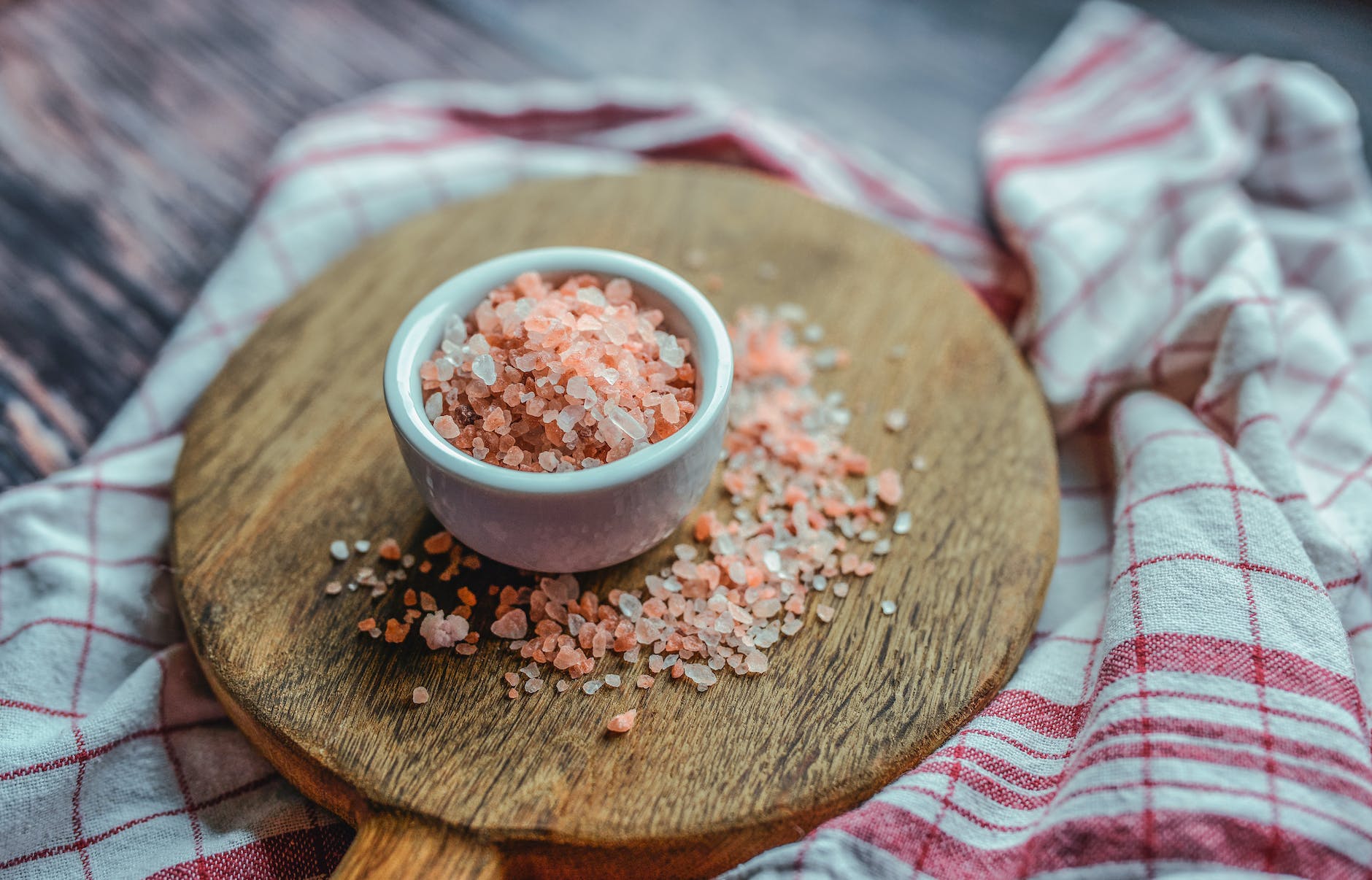
There are numerous types of salt, each with a variety of shapes, colours, sizes, tastes, and textures. And every kind has its place in cooking. Flaked sea salt adds crunch to a humble tomato salad, while finely ground salt dissolves instantly in pasta water. Himalayan pink, Hawaiian red, or volcanic black salts bring drama and colour, while smoked or flavoured salts layer complexity.
As a runner, I worried about having to limit my salt intake to improve my performance. But salt plays a crucial role in performance. As an essential electrolyte, it’s fundamental to supporting hydration, muscle function, and recovery. A bonus for me is knowing I don’t have to give up on my generous pinch of Parmesan; in fact, it’s now justified. In moderation, salt brings out perfection in everything.
Salt is more than a seasoning. It’s a cultural constant. Every family recipe, every village tradition, or cultural norm has its own way of salting food. Whether it’s a soy-based dipping sauce or an aged Parmesan grated over pasta, the singular commonality remains. Food is served best when well-seasoned.
Recipe Guidance
You can follow every recipe featured on this site word for word or use it as a guide, deleting and adding ingredients as you please. You can cook it longer or slower if you please. I’ve posted them as they are, and how I’ve enjoyed them myself. However, change them, improve them if you must, but I promise none will taste delicious without a few crystals from the sea. This applies to any approach, whether you weigh out every ingredient or if you thrive on your instincts. After all, the measurements on this site serve as guides; the only one that matters is the one listed for salt.
And that’s always to taste.


Leave a ReplyCancel reply