
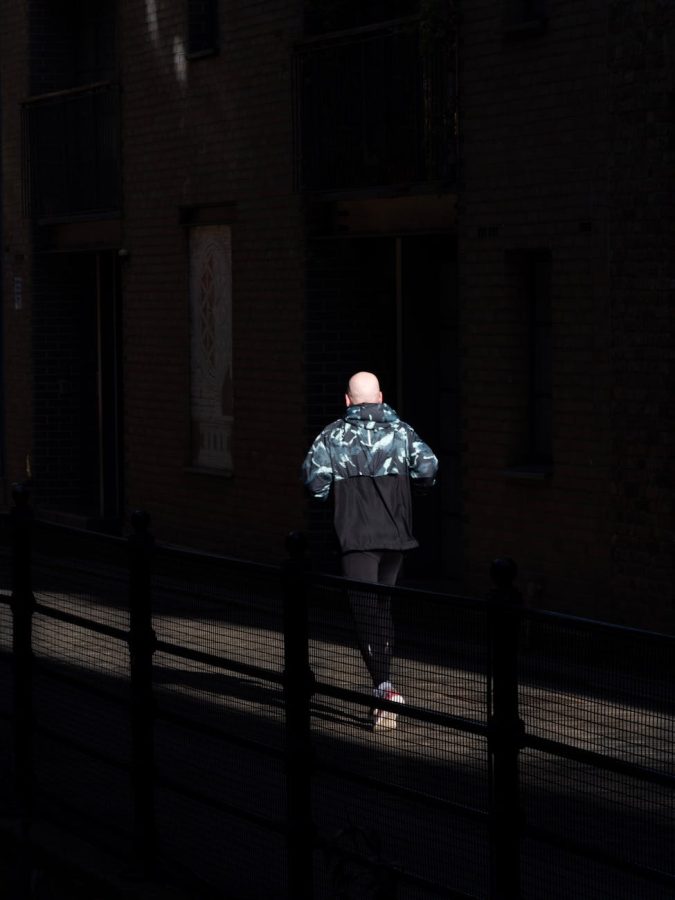
I ran home from work today. It’s a journey I’ve done hundreds of times by bike, but my run commute is fast becoming my new normal. So much so, the sense of achievement feels less every time I get home and don’t collapse into a heap on the floor, unable to move for 45 minutes.
What makes every run commute feel a little more special, though, is the memory of a time when I couldn’t imagine running 10km. Let alone making that journey home through the city of London with a backpack, heavy traffic, and an 8-hour shift on my feet in a hot kitchen.
It all Started with Small Goals
When I started running, my first big goal was to run 5k continuously on a treadmill. This was soon replaced by the aim of feeling confident running a 5k at my local parkrun. I doubt I had any foolish idea of running home from work, which felt more like traversing the length of a busy city than an easy after-work run.
I’ve cycled that route 5 times a week for years, but by foot, the distance felt vast. Why wouldn’t it? I started running in January 2023, but I’d never run 10k—the exact distance between my work and home—until March. That “long run” took me an hour and 30 minutes to complete.
It wasn’t until I started my ambitious ultramarathon training plan and needed to increase my weekly mileage with longer training runs that I seriously considered running commuting as a viable option. I needed a way to fit an easy 10k run into my weekday schedule, but until then, running 10k home had felt like a pipe dream, something I’d try one day when I considered myself a proper runner.
Plucking up the Courage to Run Commute
There was an anxiety about running home that confused me. I knew I could run 10km and much further, since I’d run a marathon. The problem was I’d run in parks and spaces where it felt natural to do so. The main roads through the city of London, with streets crammed with people, cars, and bikes whizzing through traffic lights, induced a sense of fear and self-consciousness in an overweight runner acutely aware of how slow they looked when running.
I can’t remember how or why I decided to run home, but I know it was a Monday at the end of October, 10 months after I first started running. From then on, I ran home at least once a week, often more, until Christmas. So, what had changed about my run commute route?
Well, the amount of time it would save offered a source of motivation. It also encouraged me to run after work when mentally it felt easier to skip a session. This was especially true since I didn’t need to get home from work and then find the time or motivation to run; it was a convenient change.
This convenience, coupled with integrating running into my daily routine, has been a significant inspiration for me. But the biggest inspiration came from the realisation that there wasn’t much difference between city roads and my local park.
Why My Run Commute Works for Me?
I’ve always cycled to work to avoid the tube. Fortunately, I start early enough to take the bus along a relatively traffic-free route. It takes me twice as long to get to work compared to my morning cycle, but it’s far less stressful than the central line.
In fact, I find something meditative about my early morning bus ride, followed by a short walk. Unfortunately, this form of commute involves taking the tube or enduring a long bus ride through rush-hour London traffic to get home, neither of which is as meditative as my earlier commute.
Running home allows me to enjoy my slow morning, with a gentle walk and a flat white, without needing to take the tube. But that’s not the only benefit I’ve found, here are four others that make run commuting perfect for me.
1 The Ideal Distance
As mentioned above, the distance from my workplace to my front door is almost exactly 10km. This is perfect for my training plans, which always include 10 K easy runs. My run commute prevents me from getting home and then searching for the motivation to head out again, especially when I have a perfect route mapped out.
2 Stress Relief
Like most people, I’m prone to feeling down, deflated, or moody. And while it’s true of most runs, a run home lifts my mood beyond measure. No matter how hard my day has felt, and even when I’ve felt physically incapable of running due to my bad mood impacting my motivation, forcing myself to run home means I reach my front door full of hope and vitality. This leaves me ready to enjoy my evening writing posts like this.
3 Environmentally Friendly, Kinda
This might be one of those claims I make to make myself feel better about my run commute, or to justify further why it’s the best way to get from work to home or vice versa. But logically speaking, it probably makes no difference. The bus or train I’d typically take still runs without me, and usually I’d cycle, but every little helps, I guess.
4 Fresh Perspective
Sometimes, it feels like I haven’t made any progress in my running journey. These anxieties are compounded when my sports watch refuses to acknowledge any increase in my VO2 max metric, or my pace feels slow, or my heart rate runs higher than usual. Yet, it offers a constant reminder of how far I’ve come when I get home, and I don’t feel tired but fresh enough to run another 10km. Even on the days I don’t feel strong, and I’ve fought my way through what should have been an easy run, I ran home after work, already tired, when I once struggled to run that distance on a Sunday morning after a good night’s sleep. That’s progress.
How Do I Make My Run Commute Easier?
If you want to run to or from work, my best advice is to ask yourself if you can run that far. If you can, then do it. Once you do, you’ll be hooked, so here are some tips I’ve learned along the way.
Consistency – I don’t do it every day, but when my plan calls for 10km runs, then why not?
Walk / Run – If I’ve had a harder day, or feel less than fresh, tired or fatigued, but still want to run, I use a walk-run strategy. This means I alternate between walking and running, allowing me to cover the distance at a pace that suits my energy levels. I also plan my route to be close to bus routes that take me home in case I need to stop.
Get the Kt – If you can’t leave stuff at work to take home another time, like I sometimes do, a good backpack is a must. Today’s run included my backpack, because I needed some stuff for the weekend. The backpack is also good training for stage races I’ll soon need to start preparing for, but these might call for larger backpacks than my current one.
Plan – Take your kit to work and leave it there ahead of time, if possible, so you don’t have to worry about forgetting it on the day you need it. Or pack the night before. We all have different requirements for work, but you don’t need anything else that you won’t need on any other run.
What about Running to Work?
This post has centred on me running home but hasn’t mentioned me running to work. There are a few reasons for this. One, I lack the confidence to run to work, not because of my ability to run or my energy to complete my day. Instead, it’s a lack of confidence in my ability to reach work on time, even when it feels quite tight trying to keep my pace slow enough to maintain my heart rate within zone 2.
Secondly, I do not need to run 20km a day. Of course, I could run to work and then take public transport home, but this would go against every reason I started running home in the first place. So, I stick to my run commute home.
That’s not to say that it isn’t something I want to do. In fact, next year, when I start training for a 100km ultramarathon, I’ll need to increase my mileage drastically. Running to and from work in one day might be the easiest way to achieve those ambitious distance goals. But for now, I like my slow, quiet mornings, and an easy run in the evening, getting home just in time to cook dinner and still have an evening with no training to make time for.
Do you run home from work? If so, how far do you run? Let me know in the comments below!
Leave a ReplyCancel reply