
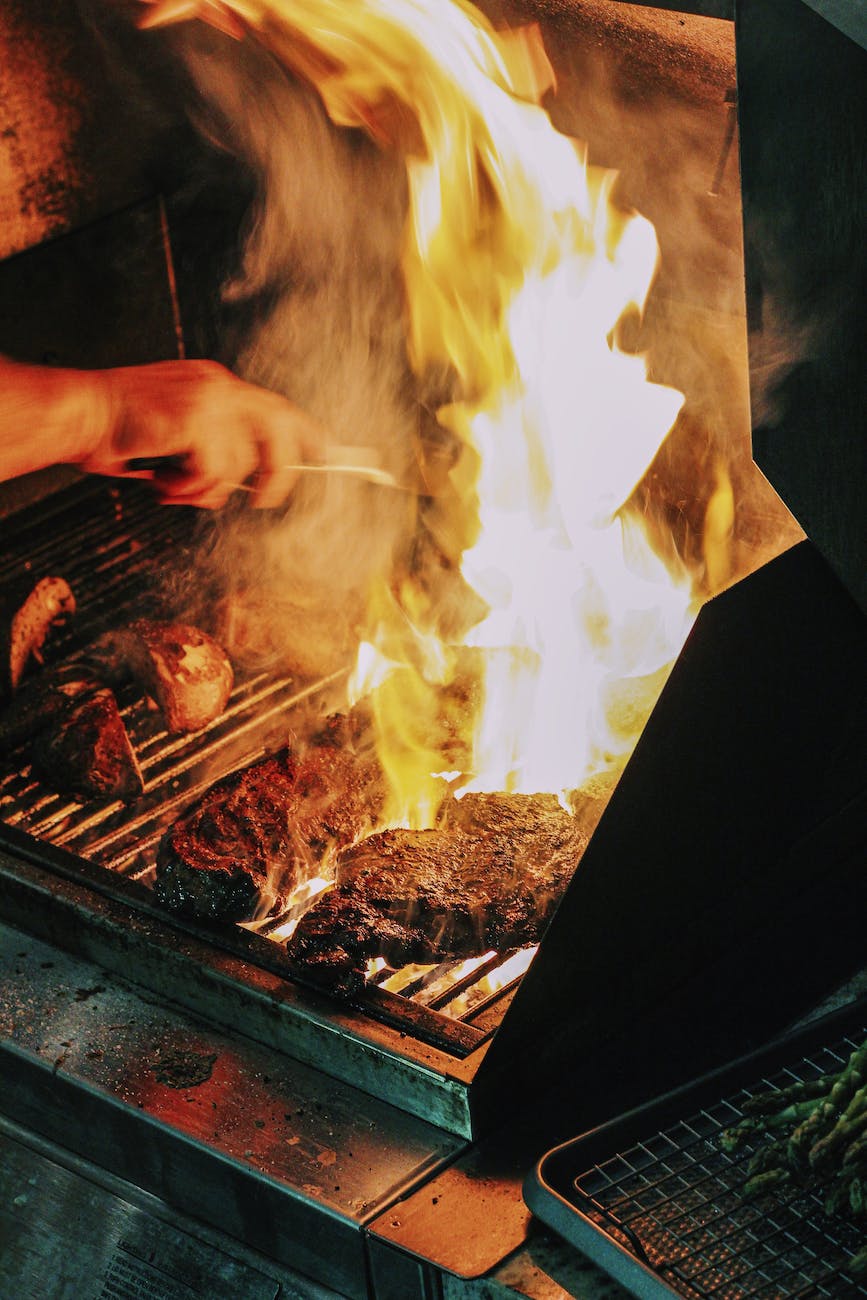
Have you ever overcrowded a pan when cooking meat? Yes? In that case, you’ll appreciate the importance of adequately browning food and its effect on flavour. Well, we owe that delicious golden crust to a process known as the Maillard reaction. It’s a process that might be one of the most important fundamentals in cooking, whether in a professional kitchen or at home.
What is the Maillard Reaction?
The Maillard reaction is a chemical process between amino acids and sugars when heat is applied to food. This reaction is what gives brown food its characteristic taste. The method can be complicated but simplified to help us understand flavour’s fundamental principles and the science behind it.
The Maillard Reaction takes its name from the French chemist Louis-Camille Maillard. Maillard first described the reaction in 1912 and quickly gave it his name. However, the process and understanding of browning foods in cooking was well-understood and utilised in kitchens worldwide before it had a fancy scientific name.
How The Maillard Reaction Works
140C (284F)
When exposed to a temperature of 140C (284F), amino acids, or the small constituent components of proteins, react with sugar molecules to create a new substance. These small processes repeatedly create numerous new substances as food cooks. This process often causes confusion as the Maillard reaction is most closely associated with foodstuffs such as seared meat. However, it’s important to remember that almost all types of food contain small amounts of sugars in some form.
The important thing to remember here is the temperature. Since the Maillard reaction can’t happen at temperatures below 140C, it’s essential to dry the outer surface of food. We do this because the damp exterior cannot rise above the boiling point of water (100C), and this won’t become hot enough to brown. That’s why recipes call for patting steaks dry so you can achieve that crisp, delicious char.
The Middle 20C – 140-160C (284F -320F)
Food starts to brown at 140C but doesn’t have the same flavour as at higher temperatures. As food browns, it begins to take on flavour as the amino acids create new substances, producing more flavour aromas. However, as the surface temperature reaches 150C, new, more complex tastes and aromas emerge as more substances are created.
At 160C, the process continues in the same fashion. Flavour is at its height at this point and has become more complex. Flavours and aromas found at this temperature include malty and nutty flavours alongside characteristic meaty and caramel-like flavours.
Exceeding 180C (356F)
Once food reaches 180C, a new process known as pyrolysis begins. The more commonly known name for this reaction is burning. During this stage, food begins to char, resulting in a distinctive burnt odour and bitter flavour of burnt foods. Burnt food can also produce some carcinogenic compounds that can be harmful to human health. So, watch food closely and remove it from the heat before it starts charring.
Food and the Maillard Reaction
Toasted Nuts and Spices – Can you smell the toasted nuts at a Christmas market? It is a process accelerated by the sugar added to caramelise them. Well, that’s the Maillard reaction in progress. We toast whole spices before grinding them to release their aromatic flavour compounds through browning.
Seared Steak – Everyone knows the secret to the perfect steak. It’s to pat it dry and sear it over a high heat. Suppose the Maillard reaction wasn’t chemically possible. In that case, it’s likely the simple classic steak and chips wouldn’t exist since both meat and potatoes benefit from the browning process.
Crispy Fish – Whether battered or just the skin, fish benefits from browning, and the difference between a poached salmon and a seared one is there for all to see and taste.
Butterscotch – Have you ever added a splash of double cream to boiling sugar? If you had, you’d know the delicious caramel flavour of a golden butterscotch sauce.
Baked Goods & Bread Crusts – The golden-brown crust which gives baked goods and bread its delicious flavour comes from the Maillard reaction. There’s a protein called gluten in flour and sugar from the sweeteners used in making a cake. However, the proportion of these used will help flavour your baked goods.
How to Accelerate the Reaction
Sugar – To increase the reaction, try infusing your marinade with a splash of honey or brown sugar. This offers more sugar to collide with amino acids and creates deeper, more complex flavours.
Protein – Have you ever wondered why recipes call for pastries to be brushed with milk or egg? Well, the answer is protein. The extra protein helps brown the surface, resulting in different flavours and an extra golden crust. It’s the same reason we cook with butter when we want brown foods since it has more protein.
Want to Know More About The Maillard Reaction?
If you’ve made it this far, I assume you’re interested in the Maillard reaction or taking your cooking to the next level. Unfortunately, I can only provide a short overview of the Maillard reaction. I can only write about the things I know and understand. Fortunately, I’ve found a short video that also helped me understand the Maillard reaction by Minute Food on YouTube.


Leave a ReplyCancel reply